 English
 Deutsch
 Français
 Español
 Nederlands
 Polski
 Italiano
 Română
 Türkçe
 Português
Michigan
Automotive tier suppliers and die shops; mostly discontinued or imported spindles that local rebuilders have already declined.
North America
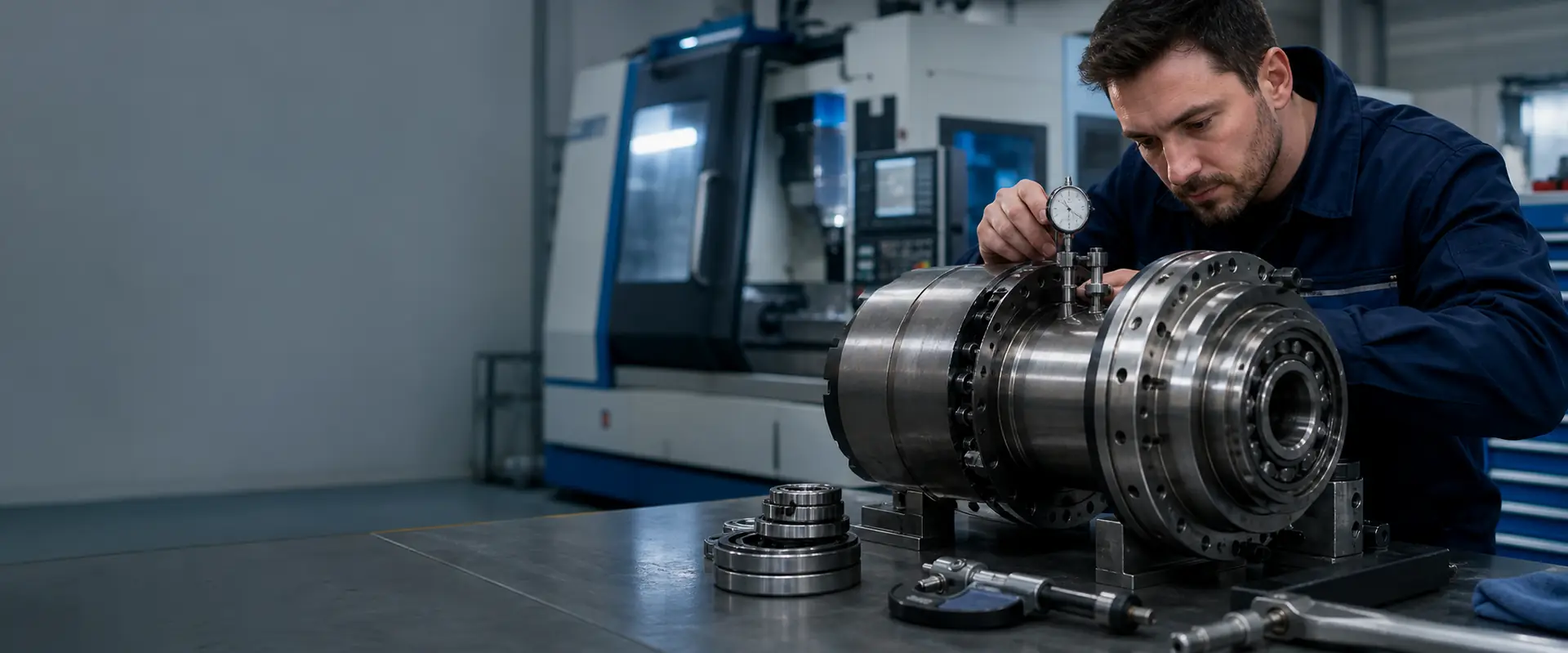
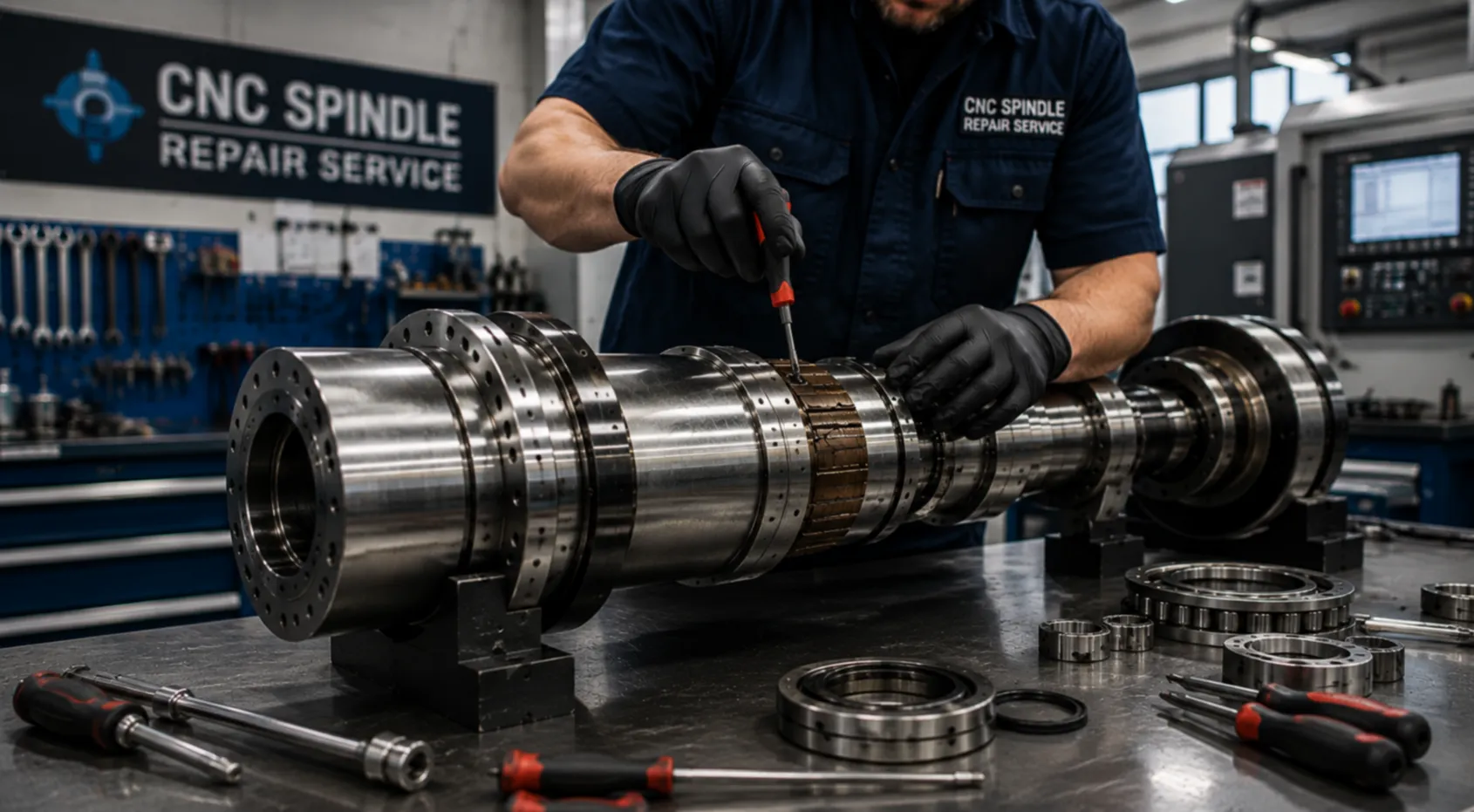
We are an independent spindle repair workshop in Sankt Augustin, near Bonn in Germany. All repair work happens there. International jobs are handled through direct technical coordination, reliable freight planning and, where appropriate, a scheduled visit to the machine. A spindle from an American shop travels to us as air or sea freight, and is stripped, measured and quoted in writing before any work starts.
The market
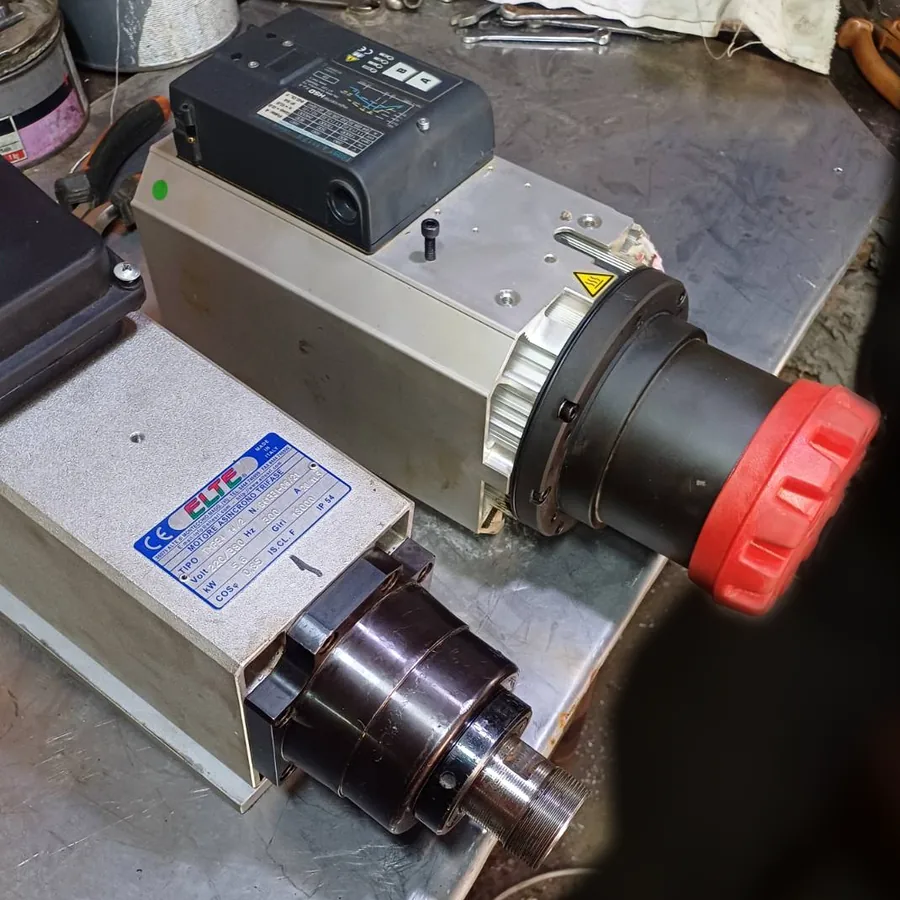
The United States is the largest machine tool user market we deal with, and the spread of work shows it. Automotive tier suppliers in the Midwest, aerospace and defence machining in the South and West, medical part production, and oil and gas shops in Texas and Oklahoma. The spindles reflect that mix: Haas, Okuma, Mazak, DMG Mori, Makino and Doosan units, alongside a long tail of older grinders and boring mills whose builders no longer support them. Belt-driven, direct-drive and motorised high-frequency units all cross the bench, from router cartridges to heavy milling heads.
Regions
Separate pages for the industrial regions, with the machines and the freight route that are typical for each.
Automotive tier suppliers and die shops; mostly discontinued or imported spindles that local rebuilders have already declined.
Aerospace at Dayton, heavy machining at Cleveland; obsolete and European spindles crated to our German workshop when local repair fails.
Chicago job shops and the equipment builders at Peoria and Moline; easy air freight, but only unusual spindles really justify it.
Engine plants, Elkhart builders and Warsaw implant shops; small high-speed cartridges travel well, heavy transfer-line heads rarely do.
Boring mills, engine plants and paper machinery; heavy Wisconsin spindles need the freight sums checked before anything is crated.
Space, medical and semiconductor work in Haas territory; only imported or discontinued spindles justify the long haul to Germany.
Oilfield and defence machining; sea freight from the Gulf for heavy units, and no pretence of a fast breakdown turnaround.
Steel country, Erie tooling and old imported machines; the short East Coast flight makes a German rebuild easier to justify.
Aerospace, race shops and furniture machinery; the rare and discontinued spindles get crated to Germany, the common ones should not.
Vehicle assembly and its supplier base; Memphis makes the freight easy, though that alone never justifies the trip.
Medical device job shops, farm and packaging machinery; small high-speed cartridges and discontinued European heads travel to our German bench.
Airframe suppliers and big gantry machining; heavy heads are costly to fly, so we say plainly when it is not worth it.
Scope
Every operation below is done in our own workshop in Germany. Follow a link for what it involves and what we need from you.
Coverage
We coordinate collection, technical assessment and return transport directly, with planned on-site support available for diagnosis, removal or commissioning. These are simply the places enquiries tend to come from.
Getting the spindle here
Most American spindles arrive by air freight, crated on a pallet; sea freight suits heavy motorised units where the wait is acceptable. Customs formalities apply in both directions and are your forwarder's business, not ours, but a temporary export with re-import after repair is usually the right procedure. For a common spindle that can be exchanged locally, freight to Germany and back rarely pays for itself. For a rare, high-value or discontinued unit it often does. On-site work in the United States is possible only by prior technical arrangement.
Questions
Typically 5 to 10 working days from arrival, depending on parts availability and what the teardown reveals. That is an estimate, not a committed date; a binding date is only valid if we confirm it in writing. Transit time in both directions sits on top of that, and the schedule for it belongs to your forwarder rather than to us.
We coordinate collection, technical assessment and return transport directly, with planned on-site support available for diagnosis, removal or commissioning. Everything is repaired here. If a machine cannot give up its spindle, on-site work in your country is possible but only by prior technical arrangement, so the right parts and instruments travel with the technician. That has to be planned well in advance.
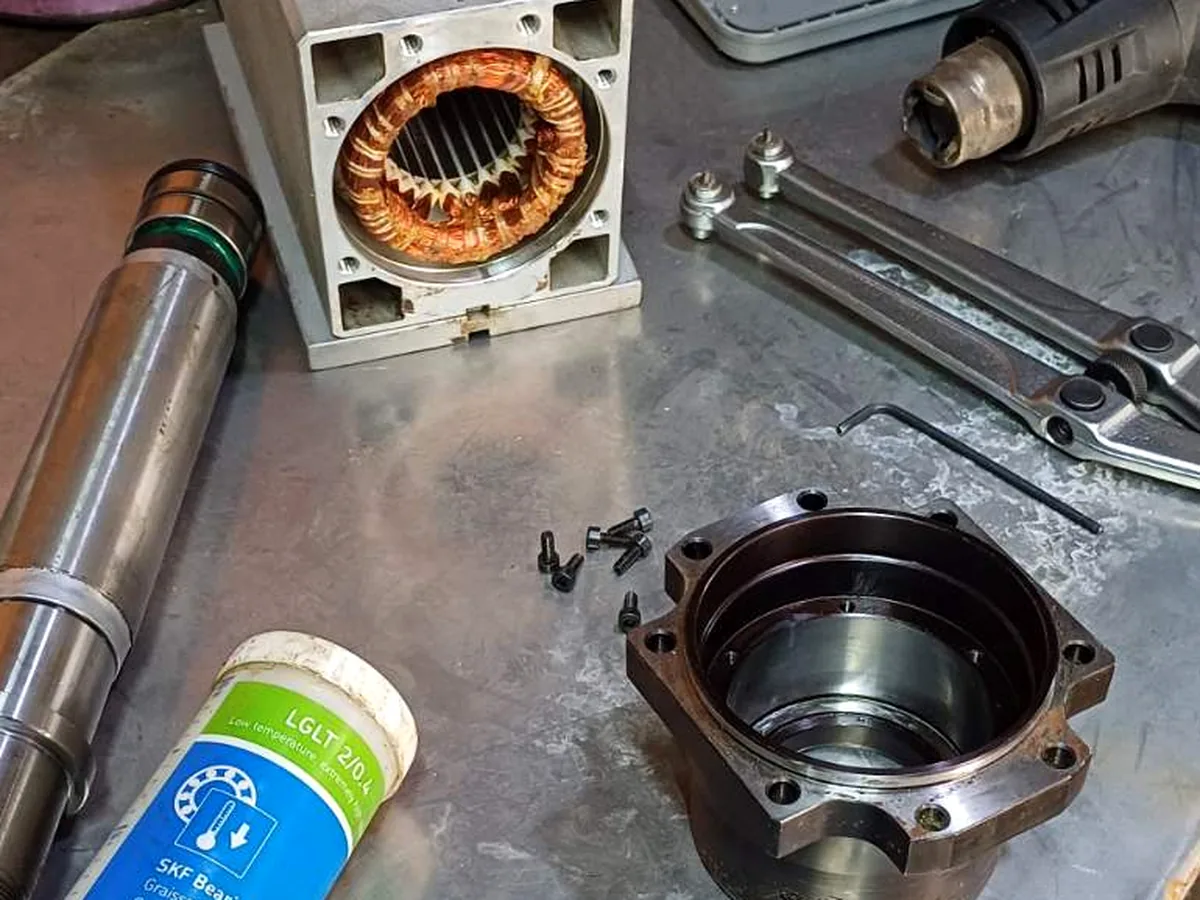
Nothing here is free. Once the spindle arrives we strip it, measure shaft, bearing seats and taper, and check the drawbar and rotor. Then you get a written quotation. Work begins only when you accept it. If you decline, we tell you what we found and return the unit as it is. Nothing is dismantled further than the inspection needs.
Tell us the machine model, the spindle type and what the machine is doing wrong. We come back with an initial assessment and a written quote before any work begins.
Quote
Tell us the machine model, the spindle type and what the machine is doing wrong. We come back with an initial assessment and a written quote before any work begins.